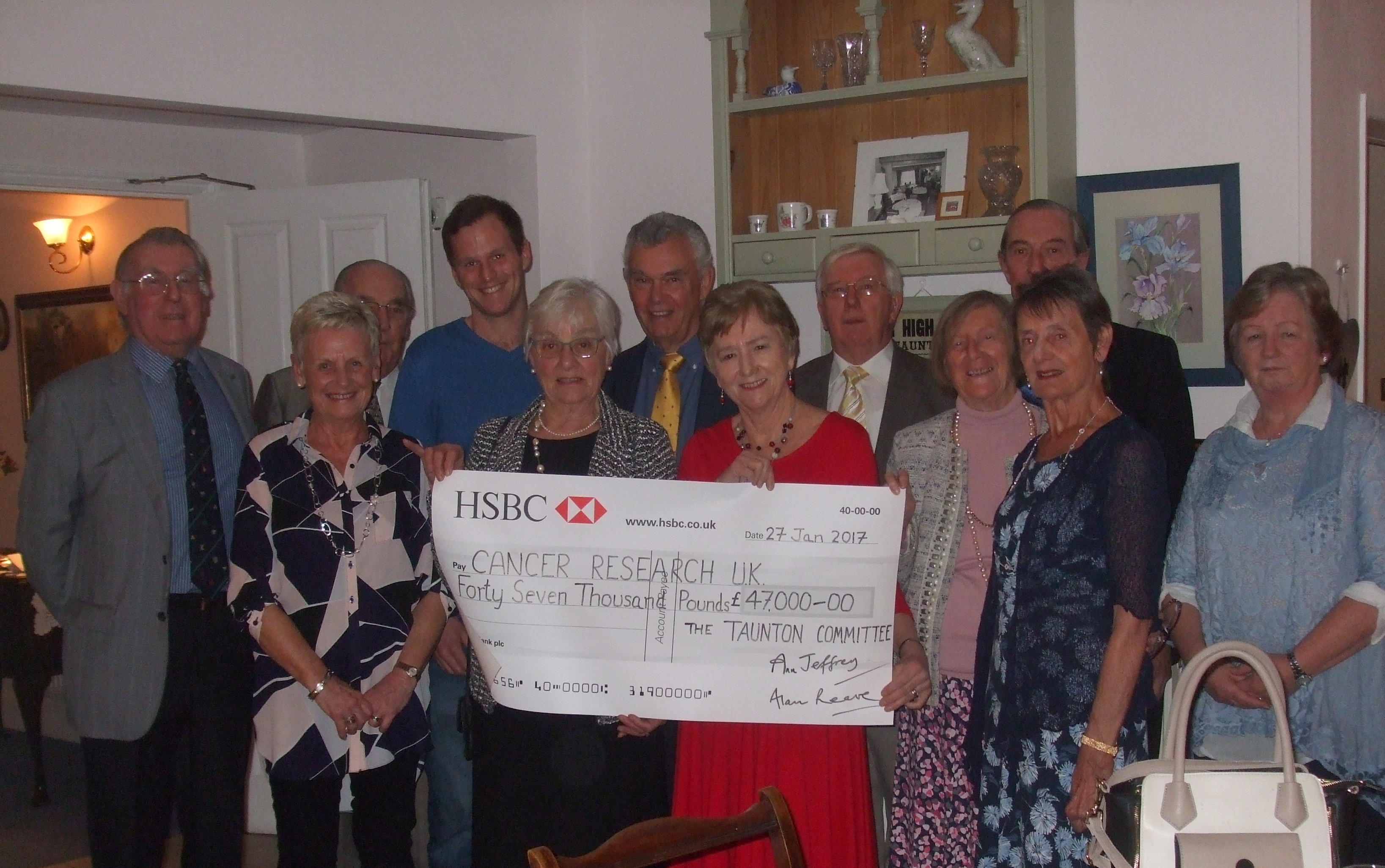
OUR LOCAL RESEARCH
The funds we raise support these two trials, each of which has recruited patients from Taunton and West Somerset to work with our specialists at The Beacon Centre, Musgrove Park Hospital, Taunton
STAMPEDE: Finding the right treatment combination for men with prostate cancer
Men with early stage prostate cancer are usually treated via surgery to remove the affected area. Dr Chris Parker is determined to find out the best way to stop the disease returning after surgery, whilst also minimising the risk of long term side effects from treatment.
At present, doctors carefully monitor men recovering from surgery and begin follow-up treatment only if the disease shows signs of returning. But Dr Parker is leading this clinical trial to investigate whether this approach could be improved if treatment begins immediately after surgery, using radiotherapy to kill off any remaining cancer cells. This research has the potential to change the way men with prostate cancer are treated and create a brighter future for those affected.
Since 2005, we’ve been funding a trial called STAMPEDE to find the best treatment for newly diagnosed advanced prostate cancer. Led by Professor Nick James at the University of Birmingham, the trial’s flexible ‘multi-arm’ design can test many different treatments at the same time, speeding up the process to ensure promising treatments reach the clinic as quickly as possible. A treatment called abiraterone, which was developed by Cancer Research UK-funded researchers in the 1990s, was tested within the trial, and in July 2017 results showed that combining abiraterone with other hormone therapies at the start of treatment dramatically improves five-year survival by 37%. This has already led to a change in how men are treated. STAMPEDE has now recruited more than 10,000 patients and will continue adding new treatment combinations to go on refining care for men with prostate cancer.
Ovarian Cancer - the "ICON8" Trial
Sadly, most women with advanced ovarian cancer will not survive their disease. Dr Andrew Clamp is leading this clinical trial which he hopes will result in more effective and kinder treatments to improve survival and reduce side effects.
Doctors normally treat ovarian cancer with surgery and chemotherapy - traditionally chemotherapy has been given in large doses, once every few weeks. But Dr Clamp is among a growing number of scientists who think that there might be a better way; he is testing if smaller doses of drugs, given more often, may be better at fighting this cancer and reduce the unpleasant and potentially serious side effects that women frequently experience. As advanced ovarian cancer is often difficult to treat successfully, trials like this are crucial to improve survival and quality of life for women with the disease.
ICON8B: Treating ovarian cancer
Dr Andrew Clamp is leading a Cancer Research UK-funded trial testing a ground-breaking way of treating women with advanced ovarian cancer. Ovarian cancer is usually treated with a combination of surgery and chemotherapy, with the most commonly used chemotherapy drugs being carboplatin and paclitaxel. Chemotherapy is given every three weeks, and while these drugs do kill cancer cells effectively, they also come with many side effects. Finding a way to reduce side effects, while maintaining the cancer-killing ability of drugs, would be transformative for women and their families. Dr Clamp’s clinical trial, coined ICON8B, was looking at a different way to administer chemotherapy in women with ovarian cancer.

Follow Us
Contact Us
Go to mobile page